
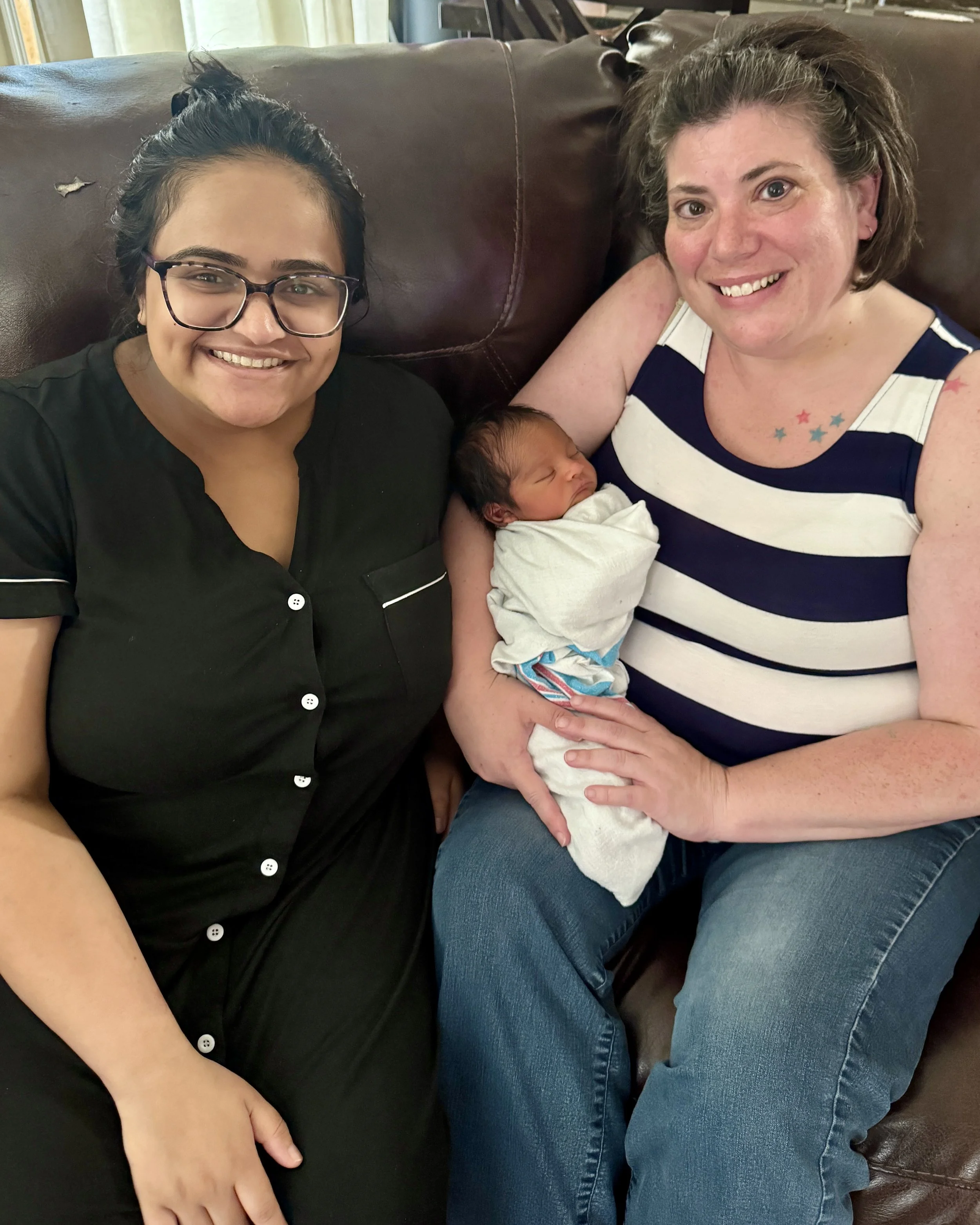
Planned Home Birth vs. Planned Hospital Birth: The Doula’s Role
Planning a home birth, birth center birth, or hospital birth and wondering if you really need a doula? Your birth setting may change, but the heart of your doula’s role remains the same. Explore how a birth doula provides preparation, evidence-based information, comfort measures, emotional support, advocacy, and continuous support—regardless of where you plan to give birth.
A question I’ve heard mentioned a few times is from parents-to-be asking, “I’m planning to give birth at home/hospital/birth center, do I really need a doula in that setting?”
I think it can be easy for parents to assume one setting or another may (or may not) benefit from doula support.
First I want to say that the doula’s role isn’t to support a particular birth setting, but rather, mom and dad to be as they labor and move through their birth experience.
The support that your birth doula provides in a particular birth setting may vary, but is equally important. What do I mean by that?
Yes, each birth setting is unique in its own way… whether you choose to labor and give birth at home, a birth center or at a hospital. However, regardless of the your chosen birth location, there are things that all birth settings need:
preparation
informed decision-making
physical comfort measures
emotional support
advocacy
unexpected changes
Let’s look at these a little closer…
Preparation - while I’m a huge supporter of Childbirth Education (so much so, that my first blog post was about it and I am a Childbirth Educator!), that isn’t the preparation I’m talking about here. Birth doulas provide a varying range of pregnancy, labor and birth preparation to their clients. Some birth doulas refer to these meetings as “prenatal visits”, others refer to them as “prenatal sessions” - regardless of what a particular doula refers to these get togethers - this is their opportunity to start preparing you for what is to come. Some birth doulas will meet for one longer prenatal prep session, and others, will meet multiple times throughout pregnancy before the baby is due to arrive.
Informed Decision Making - informational support is one of the pillars of birth doula support. A birth doula's role isn’t to make decisions for you, but rather, to provide you with evidence based information to aid you in making informed decisions. The BRAIN acronym is always used in my personal practice to help parents-to-be as they discern next steps not only for pregnancy and labor, but for baby and mom’s body before, during and after the birth experience.
Physical Comfort Measures - I often hear from those inquiring about birth doula support that they’d prefer to avoid pain medication in labor. For others they say they’d like to hold off as long as possible before receiving any pain medication. Both sets of parents know their unique goals, but aren’t sure how to accomplish it.
Birth doulas are trained and many have honed their comfort techniques and come equipped with not only tools to help accomplish this, but know how to provide hands on relief with things like:
Sacral Counterpressure
Double Hip Squeezes
Rebozo Work
Massage
Emotional Support - when choosing a birth doula to be on your birth team, it’s so vital that you choose someone that you really mesh with. This person is going to see you in your most vulnerable time of life. Will you be comfortable vocalizing pain, vomiting, pooping, being in varying stages of nudity in front of this person? Your birth doula is going to see you in and through all of this, and should be that steady calm that is not only encouraging you, but allowing you space to express your own concerns or fears without hesitation.
Advocacy - this is huge - in any and all birth spaces! You’re doula won’t talk over you, but rather give you voice. Doulas are absolutely masters of creating space and opportunity for informed decision making and ensuring that you are always giving informed consent. Please note, consent and informed consent are NOT the same thing! Regardless of your birth setting - your doula works FOR YOU - not for the hospital, not for the birth center and not for your homebirth midwife - YOU.
Unexpected Changes - as much as any parent-to-be prepares, sometimes unexpected changes to your birth wishes, goals and values may come up. Planned birth is NOT predictable birth. A birth doula will guide you through navigating those changes by providing information, by providing you space to talk through those changes, and continuing to support you without judgment or fear.
Sometimes that is a planned home birth that needs a little extra support and transfers to the hospital… your doula will (should) go with you. Sometimes that is moving into a cesarean section birth from a planned hospital vaginal birth… your doula will walk that road with you.
Here’s the thing - all of those bolded items above - they happen regardless of your chosen birth location. The heart of the doulas role stays the same…
Preparation
Information
Advocacy
Facilitating Communication
Comfort Measures
Emotional Support
Continuous Hands-On Support
Supporting not only mom, but dad too
The bottom line - regardless of your chosen birth location - a doula provides continuous, non-clinical support in all birth settings.
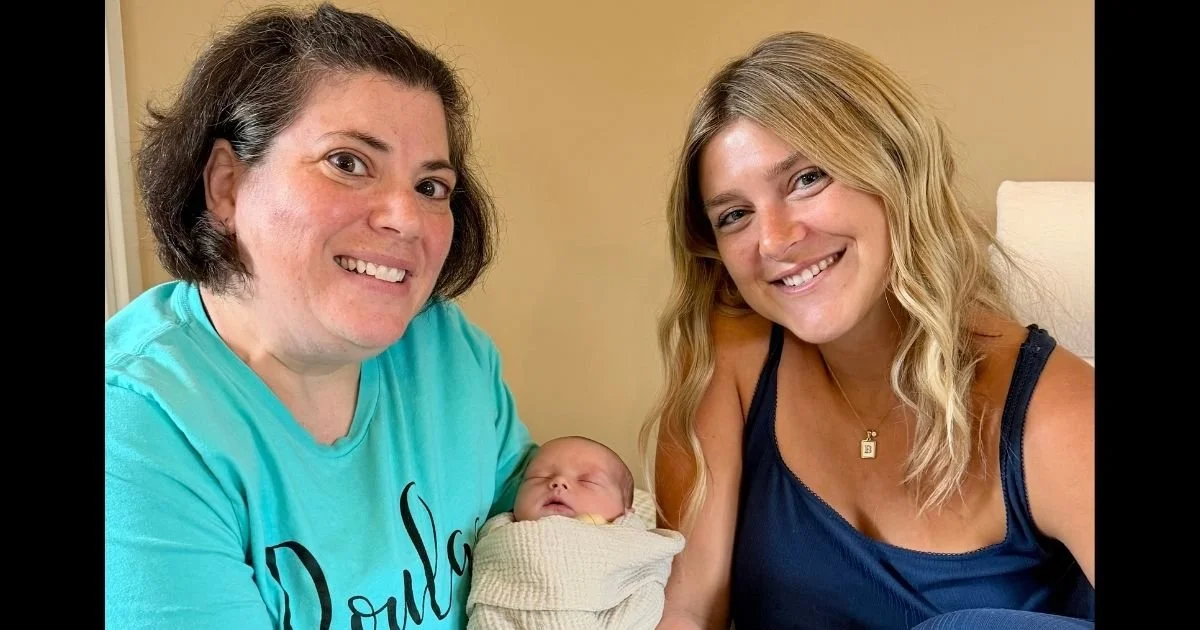
Birth Doula vs. Childbirth Education: What Do You Actually Need to Prepare for Birth?
Preparing for birth can bring a lot of questions. Do I need a childbirth class? What does a doula actually do? And will a doula replace my spouse/significant other? Let’s look at how childbirth education and doula support can work together to help you feel prepared and supported.
The journey to meeting baby is exciting—but it can also feel overwhelming. There are appointments to keep, a nursery to prepare, baby gear to research, and seemingly endless decisions to make.
And then there’s birth.
You may be wondering:
Should I take a childbirth education class? Do I need a birth doula? Should I do both? What exactly does a doula do that childbirth education doesn't?
These are great questions! And the good news is that childbirth education and doula support aren't really competing options. They serve different purposes, and together they can help you feel more prepared and confident as you approach your baby's birth.
What Is Childbirth Education?
Childbirth education is designed to help you learn about the labor and birth process.
A good childbirth education class can help you understand what is happening during labor, what your options may be, and how you and your spouse/significant other can prepare for the experience.
Depending on the class you choose, you may learn about:
The stages and phases of labor
Comfort measures and coping techniques
Breathing and relaxation
Labor positions
Medical interventions
Induction
Cesarean birth
Informed consent
Birth preferences
Partner support
Newborn care and early postpartum topics
The goal isn't necessarily to create a perfectly scripted birth. It's to give you knowledge.
When you understand what may happen during labor and what your options are, you're better equipped to ask questions and make informed decisions for yourself and your baby.
For many families, childbirth education can replace some of the fear of the unknown with confidence and preparation. And this isn’t just for moms-to-be—it’s for dads as well! As a provisional Bradley Method® Childbirth Affiliate Instructor, I love that through childbirth education, moms and dads can learn proven techniques, build essential skills, and gain the knowledge they need to work together as a team through labor and birth.
What Does a Birth Doula Do?
A birth doula provides something different.
Rather than primarily teaching you about birth, a birth doula provides personalized emotional, physical, and informational support before, during and even after your birth, as well as advocating for your unique wishes throughout your labor and birth experience, regardless of your chosen birth location.
As your doula, I get to know you—your hopes, your concerns, your preferences, and the kind of experience you're hoping to have.
Throughout pregnancy, we can talk about what you're envisioning for your labor and birth and help you think through questions you may want to discuss with your care provider.
During labor, I provide continuous support through things like:
Position changes
Massage and counterpressure
Breathing and relaxation techniques
Movement and comfort measures
Encouragement and reassurance
Helping your spouse/partner know how to support you
Creating a calm environment
Helping you work through one contraction at a time
Providing informational support when decisions arise
One of the things I love most about doula work is that I don't come to your birth with an agenda for how your birth should happen.
My role isn't to tell you what decisions to make.
My role is to help you understand your options, ask questions, and feel supported in the decisions you make.
So, Do You Need Both?
Not necessarily.
Some families choose to take childbirth education and hire a doula. Others choose one or the other.
But I think it's helpful to look at it this way:
Childbirth education gives you knowledge and tools.
A doula helps prepare you , walks along side you, and puts those tools into practice.
You might learn about counterpressure in a childbirth class—but during a contraction, having someone beside you who knows how and where to apply it can be incredibly helpful.
You might learn about different labor positions—but when you're tired and having contractions, having someone suggest a position that may help you become more comfortable can make a difference.
You might learn about the stages of labor—but having someone experienced beside you who can remind you, "You're doing this. Let's take this one contraction at a time," is a very different kind of support.
But My Husband or Significant Other Will Be With Me. Do I Still Need a Doula?
This is one of the most common questions I hear.
And my answer is: Your husband or significant other and your doula have different roles—and together, they can make an amazing team.
Your significant other knows you.
They know your personality, your favorite things, what makes you laugh, what makes you feel safe, and how to encourage you when things get difficult.
Your doula knows birth.
I can help your partner understand what may be happening, demonstrate comfort measures, suggest positions, and offer ideas when they're not sure what to try next.
And your significant other doesn't have to be the sole source of support throughout the entire experience.
They can be present, loving, encouraging, and involved—while also knowing that they have another experienced person beside them who can help.
A doula doesn't replace your partner. I support your partner, too.
What If I Don't Know What Kind of Birth I Want?
That's okay!
You don't have to have your entire birth planned out before you hire a doula.
Maybe you're hoping for an unmedicated birth.
Maybe you're planning an epidural.
Maybe you're considering an induction.
Maybe you're planning a cesarean birth.
Maybe you're hoping for a home birth or birth center birth.
Or maybe you simply know that you're pregnant and have absolutely no idea what you want yet!
You don't have to figure everything out at once.
I encourage families to learn, ask questions, explore their options, and prepare.
Your birth preferences are yours. My job isn't to decide what your birth should look like—it's to support you in the birth you're having.
What About Christian Birth Support?
For Christian families, birth can also be a deeply meaningful spiritual experience.
As a Christian birth doula, I believe that supporting a family means caring for the whole person—not just focusing on the physical aspects of labor.
For families who desire it, prayer and faith can be part of their birth experience.
That might look different for every family.
For some, it may mean prayer before labor begins. For others, it may mean Scripture, worship music, or simply having someone nearby who understands that their faith is an important part of who they are.
My faith shapes the way I approach my work, while still respecting that you are the one making decisions about your body, your baby, and your birth.
Preparing for Birth in Woodstock and Northern Illinois
If you're expecting a baby in Woodstock, McHenry, Crystal Lake, Huntley, Algonquin, Elgin, or the surrounding Northern Illinois and southeastern Wisconsin communities, you have choices when it comes to childbirth education and birth support.
You don't have to navigate those choices alone.
Whether you're planning a hospital birth, birth center birth, or home birth, taking time during pregnancy to learn about your options and build your support team can make a huge difference in how prepared you feel when labor begins.
The Bottom Line
So, do you need childbirth education?
I think childbirth education is valuable for every expecting family.
Do you need a doula?
That's a personal decision—and only you can decide whether doula support is right for your family.
But childbirth education and doula support aren't the same thing.
One helps you learn about birth.
The other provides personalized support through birth.
And when you combine the two, you can walk into your baby's birth with both knowledge and a supportive person beside you.
You don't have to know exactly how your birth will unfold.
You don't have to have everything figured out.
You simply need to take the next step toward becoming informed, prepared, and supported.
Ready to talk about your birth?
If you're expecting in the Woodstock/Northern Illinois/Southeastern Wisconsin area and would like to learn more about birth doula support, I'd love to hear from you.
Schedule a free consultation and let's talk about your hopes for birth, your questions, and how I may be able to support you and your spouse/significant other.